
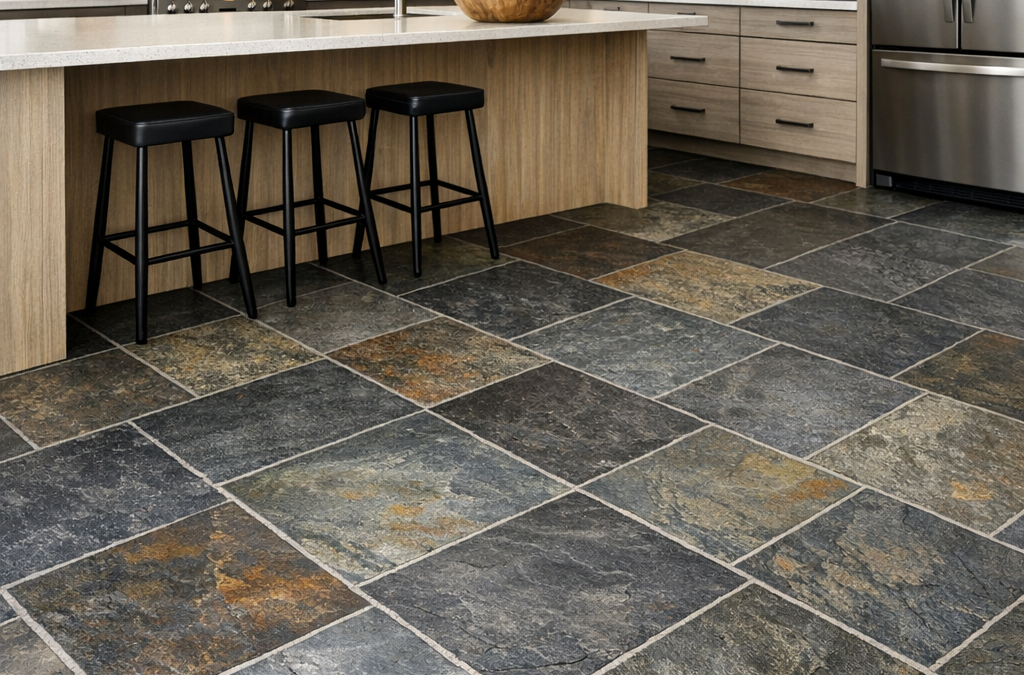
Choosing the right tile for your home or renovation project can make all the difference in both style and long‑term performance. Whether you’re updating a bathroom, refreshing a kitchen backsplash, or installing flooring in a high‑traffic space, understanding the strengths of each tile type helps ensure you make the best choice.
Below is a breakdown of the three most popular tile categories—porcelain, ceramic, and natural stone—and what makes each one unique.
Porcelain Tile
Porcelain is one of the most durable and versatile tile materials available.
Key Features:
• Extremely dense and hard
• Highly water‑resistant and non‑porous
• Resists stains, scratches, and heavy wear
Best for:
Bathrooms, kitchens, foyers, mudrooms, and any high‑traffic or moisture‑prone area.
Why choose porcelain:
Its durability and low maintenance make porcelain an ideal long‑term investment, especially for busy households. It’s also available in a wide range of styles—from stone‑look to concrete‑look to wood‑look—offering both performance and design flexibility.
Ceramic Tile
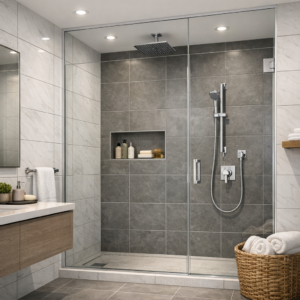
Ceramic tile is a popular and budget‑friendly option for many interior surfaces.
Key Features:
• Made from softer clay than porcelain
• Easier to cut and install
• Available in an endless variety of colors and patterns
Best for:
Wall applications, kitchen backsplashes, and low‑to‑moderate traffic floors.
Why choose ceramic:
Ceramic offers great design versatility at an affordable price. Because it’s easier to cut, it’s ideal for intricate layouts, accent walls, and decorative patterns.
Natural Stone Tile
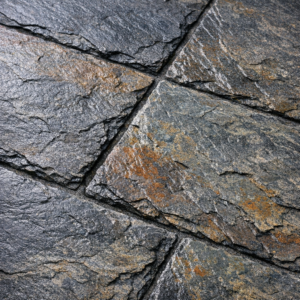
Natural stone brings a timeless, luxurious feel to any space. Each piece is truly one‑of‑a‑kind.
Includes:
Marble, granite, slate, travertine, limestone
Key Features:
• Unique veining, color variation, and texture
• Extremely durable and long‑lasting
• Adds significant value and visual impact
Best for:
Feature floors, elegant bathrooms, shower walls, fireplaces, and upscale interiors.
Why choose natural stone:
No two stone tiles are alike. If you want a premium, organic, and visually stunning surface, natural stone offers a richness that manufactured materials can’t fully replicate.
Final Thoughts
Porcelain, ceramic, and natural stone each offer their own advantages depending on your needs, budget, and design vision.
If you’re working on a renovation or new build, understanding these differences helps you choose the right material for each space—ensuring beauty, durability, and long‑term satisfaction.
Let RBW Construction bring your vision to life with expert craftsmanship and modern design solutions.
Contact us today for a free consultation and discover what’s possible!